In South Florida, Your AC Website Can't Afford Downtime Either
Keeping systems running when people need them most is the whole job. The website should hold up to the same standard.
It's August in Palm Beach County. Heat index past 100, humidity thick enough to chew. A unit quits mid-afternoon and the house starts climbing past 85 degrees within the hour. The dog's parked in front of a box fan, the kids are melting down, and someone's standing in the kitchen with a phone in hand, typing "AC repair near me."
That search is the whole opportunity. That's the call worth winning.
The question is whether a website even shows up for it — and if it does, whether it loads fast enough for that homeowner to spot a phone number before giving up and tapping the next listing.
A site that takes five or six seconds to load loses that homeowner before they've even finished reading the page. They're not waiting around in a hot house. They're calling whoever answers the search with something that actually works.

The Website Is the First Handshake
Show up in a stocked truck, diagnose the problem fast, explain it in plain terms — that's how a customer gets won for good. They trust the work, they refer the neighbors, they call back every season for maintenance.
None of that happens, though, if nobody finds the business in the first place.
A website is usually the very first thing a potential customer sees — ahead of the phone call, ahead of the truck pulling into the driveway, ahead of watching anyone actually work. And the judgment gets made instantly: does this look professional, does the page load, is there a phone number visible in two seconds, does this feel like a business that can be trusted with a system replacement running several thousand dollars?
A slow, generic template reads as corners being cut. A fast, clean, properly built site reads as a business that takes itself seriously — and in South Florida's AC market, where half the companies in the search results look the same, that difference is the whole edge.
A Website Is Just Another System to Get Right
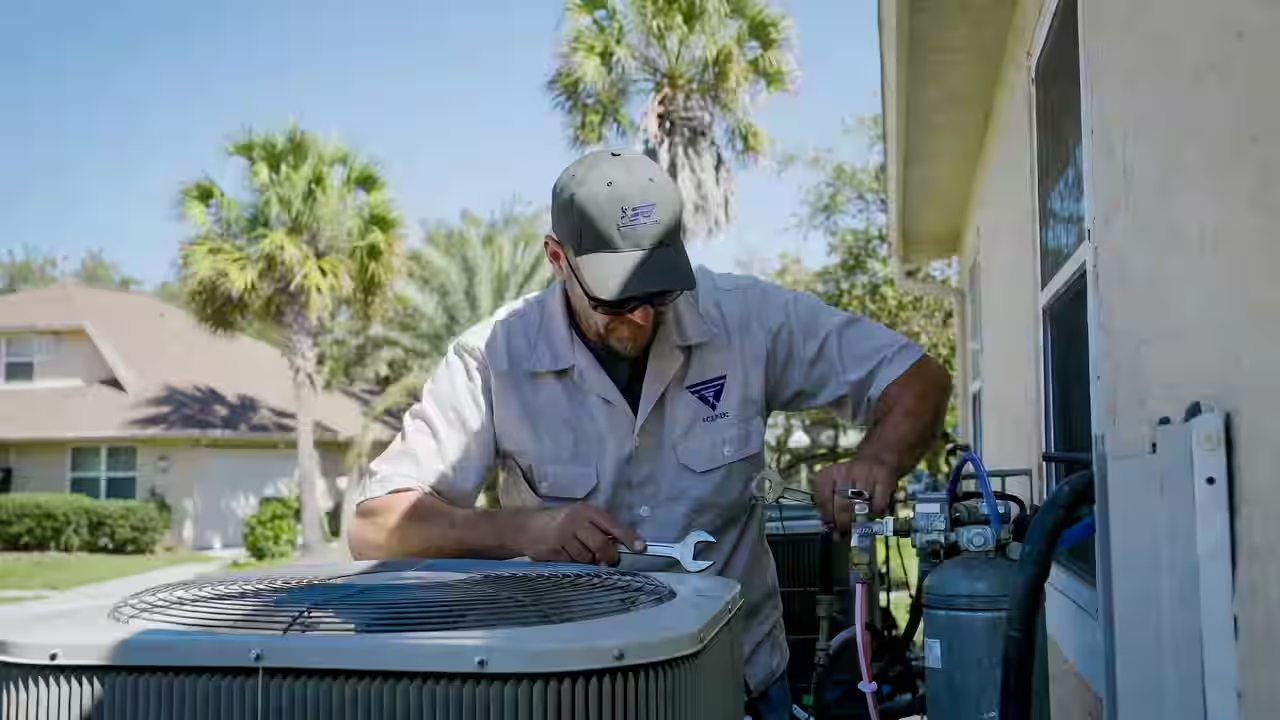
A properly matched HVAC install has every piece sized correctly — tonnage to square footage, ductwork sized so static pressure stays in range, thermostat and unit talking to each other without a second thought from anyone.
A bad install looks fine on the surface and falls apart underneath: an oversized unit short-cycling, undersized ducts choking airflow, something that technically runs while wasting energy and wearing out early.
A template website is the oversized unit with the wrong ductwork. It runs — barely — while dragging around code nobody needed in the first place, the digital equivalent of a filter nobody's changed in a year.
A properly built site is the matched system: clean code, compressed images, load times that don't make anyone wait, nothing extra tacked on. It just runs — quietly, reliably, without drama.
Local Search Decides Who Gets the Call
Customers three states away don't matter here. What matters is the homeowner nearby whose system just failed — and that's a local search problem, not a general marketing one.
When someone searches "AC repair near me" or "HVAC company in Juno Beach," Google is deciding who earns a spot in that three-business map pack at the top of the results. That decision comes down to how clearly a site states what the business does and where, how fast it loads, whether it's built for mobile, and whether the business shows up consistently across its Google listing, its website, and everywhere else its name appears online.
Nail that and a business becomes the first name that comes up the moment a system dies. Miss it, and the calls go to a competitor who might not be half as good at the actual job — they just showed up first in the search.
See what a properly built website looks like
Nobody Has Time to Maintain a Website Between Service Calls
During peak season the calendar is calls back to back from sunup past dark — refrigerant leaks, compressor swaps, full system quotes, keeping a crew and a fleet of trucks moving. Sitting down at 9pm to fix a broken contact form isn't happening, and it shouldn't have to.
Nobody hands a homeowner a set of gauges and says "check your own pressures from now on" — that's what a maintenance agreement is for. A fully managed website works the same way.
Built right from day one — clean code, fast performance, solid local SEO, a design that holds up on every screen — and then kept that way. Updates, monitoring, performance checks, all handled behind the scenes, with no dashboard to log into and no ongoing upkeep to think about. Just calls coming in.
One side handles the HVAC. The other side handles getting found. That's the whole arrangement.
What a Website Like This Actually Does Day to Day
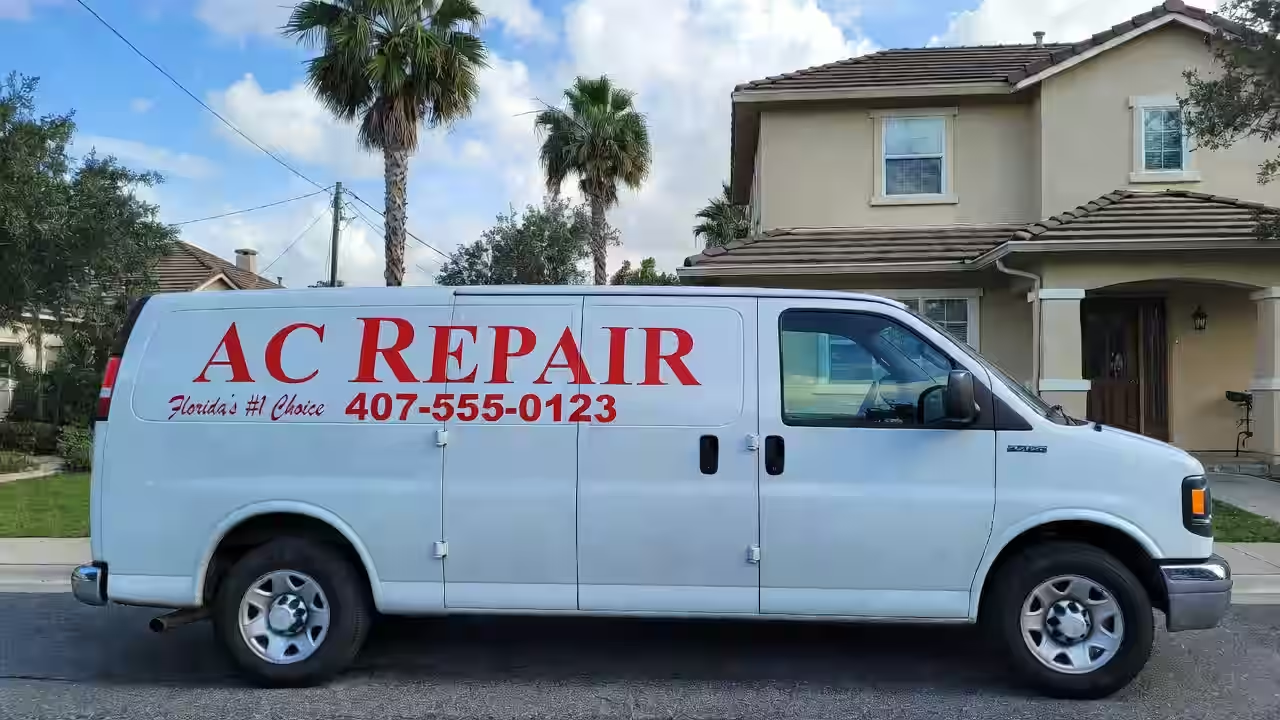
A properly built, properly optimized site never clocks out. While a technician's up on a roof swapping a condenser fan motor, the website is doing its own job — showing up for local AC searches, loading instantly on whoever's phone is doing the searching, presenting the business cleanly with zero friction between finding it and calling it.
That matters most exactly when demand peaks — hurricane season humidity, back-to-back 95-degree weeks, the stretch when every AC company's phone should be ringing nonstop. A slow site during that window is a truck that won't start on the one day it's needed most: the demand is there, the searches are happening, and a site that can't keep up just hands those calls to someone else.
Bottom Line
A reputation gets built on doing the job right — correct diagnosis, quality parts, installs that last because nothing got shortcut. Customers trust that when the job's called done, it's actually done.
A website should carry that same standard: built properly, maintained professionally, performing at the level the business has already earned.
Nobody installs a system and walks away without servicing it again. A website deserves the same treatment.
Stick to the trade. Let someone else make sure customers can actually find the business.