
The WordPress Tax: What Your “Developer” Isn’t Telling You
What Are the Hidden Costs Behind Your WordPress Website?
WordPress sites carry recurring costs for hosting, plugins, security, backups, and maintenance that most developers never mention upfront. The true annual cost for a simple business site ranges from £1,600 to £4,370.
You already know something’s wrong. Invoices keep arriving — hosting, plugin licences, backups, maintenance, speed optimisation, monitoring — and every few months, something breaks. Forms stop working. Plugins conflict. Pages slow down. And the developer charges again. This isn’t just bad luck. It’s the website builders vs managed websites ecosystem at work. The software itself isn’t a scam — but the industry built around it is. Agencies, hosting companies, and “web developers” profit from complexity, recurring costs, and dependency. Most aren’t developers — they’re salespeople packaging workarounds as essential services. And WordPress isn’t the only platform running this playbook — the Webflow tax works in much the same way.How Much Does a WordPress Website Really Cost Per Year?
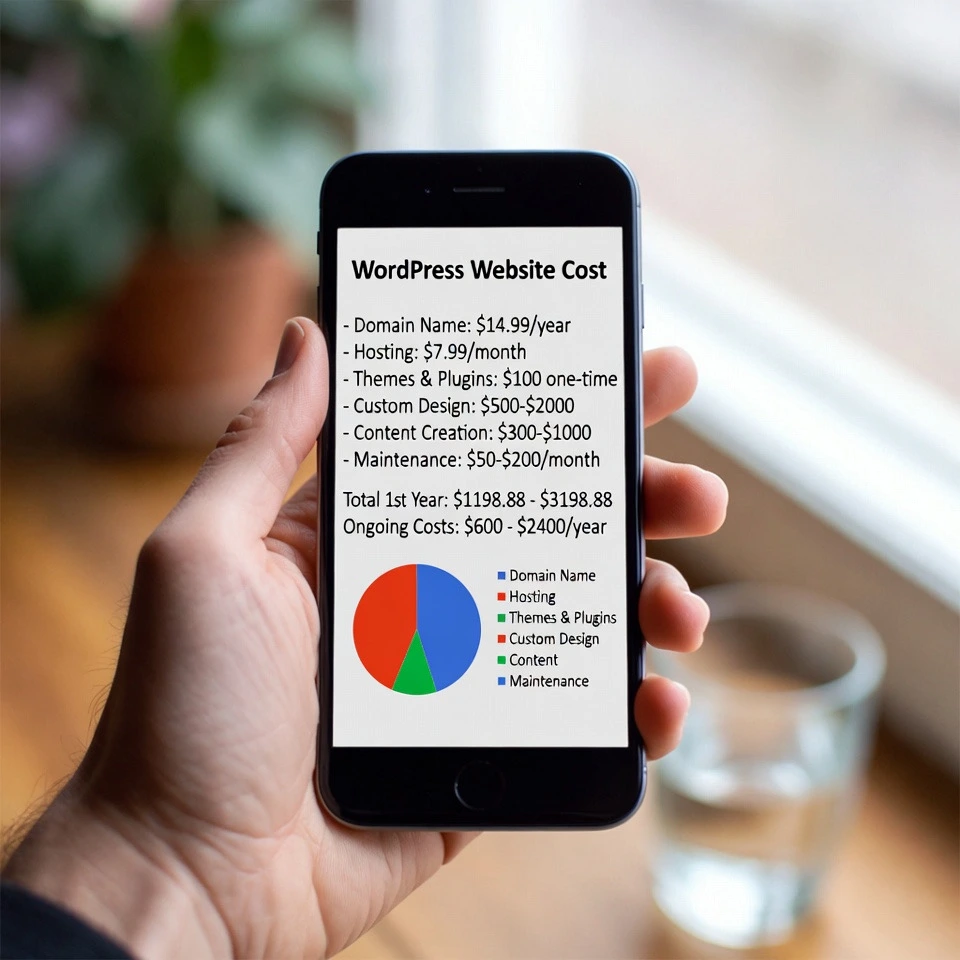
A simple small business WordPress site costs between £1,600 and £4,370 per year when you add up hosting, plugins, security, backups, SEO tools, and maintenance retainers. Over three years, that reaches £5,000 to £15,000.
Even a simple small business website racks up a surprising bill:| Expense | Our Pricing | Annual | Source |
|---|---|---|---|
| Managed WordPress hosting | £20–£50 | £240–£600 | Startups.co.uk |
| Premium theme licence | — | £40–£60 | Elementor Blog |
| Page builder plugin (Elementor/Divi) | — | £50–£90 | Elementor Blog |
| Security plugin (Wordfence, Sucuri) | £8–£17 | £100–£200 | WordPress.com |
| Backup plugin/service | £5–£10 | £60–£120 | WebandCrafts |
| SEO plugin (Yoast, RankMath Pro) | £8–£17 | £100–£200 | Elementor Blog |
| Maintenance/support retainer | £50–£200 | £600–£2,400 | HogTheWeb |
| Speed optimisation services | £30–£50 | £360–£600 | WebSP UK |
Conservative annual total: £1,600–£4,370
Over three years: £5,000–£15,000 — for a website built from a £50 theme.
Why Does WordPress Cost So Much to Maintain?
WordPress was built as a blogging platform, not a business infrastructure. The ecosystem profits from complexity — every plugin adds code, conflicts, and vulnerabilities, while agencies sell services to fix the problems the platform creates.
WordPress was built as a blogging platform. Not a business infrastructure. The ecosystem thrives on this gap: Every plugin adds code, potential conflicts, and vulnerabilities Every theme generates unnecessary markup that slows your site Updates to one component often break another Agencies profit by selling services to “fix” the problems they didn’t create The industry doesn’t want you to escape this cycle — it depends on it. “WordPress isn’t free. The software is, but the tools you need to keep a business website fast, secure, and reliable are not.” — WordPress.com
Is There a Better Alternative to WordPress for Small Business?
Yes. A properly engineered website can load fast without caching plugins, be virtually unhackable, and include hosting, support, and updates in one predictable package — without the fragile plugin ecosystem.
WordPress itself is not a scam. The problem is the ecosystem built around it — an industry designed to monetise workarounds, recurring services, and complexity. Small business owners pay the price, while agencies profit. If you want a site that’s fast, reliable, secure, and genuinely yours — without the WordPress tax — it’s time to rethink the system. Because too often, what your web designer isn’t telling you is exactly what’s costing you the most.